How to Know If You Have Postpartum Depression vs. Baby Blues
Motherhood & Mental Health • ~7 min read • Practical guide
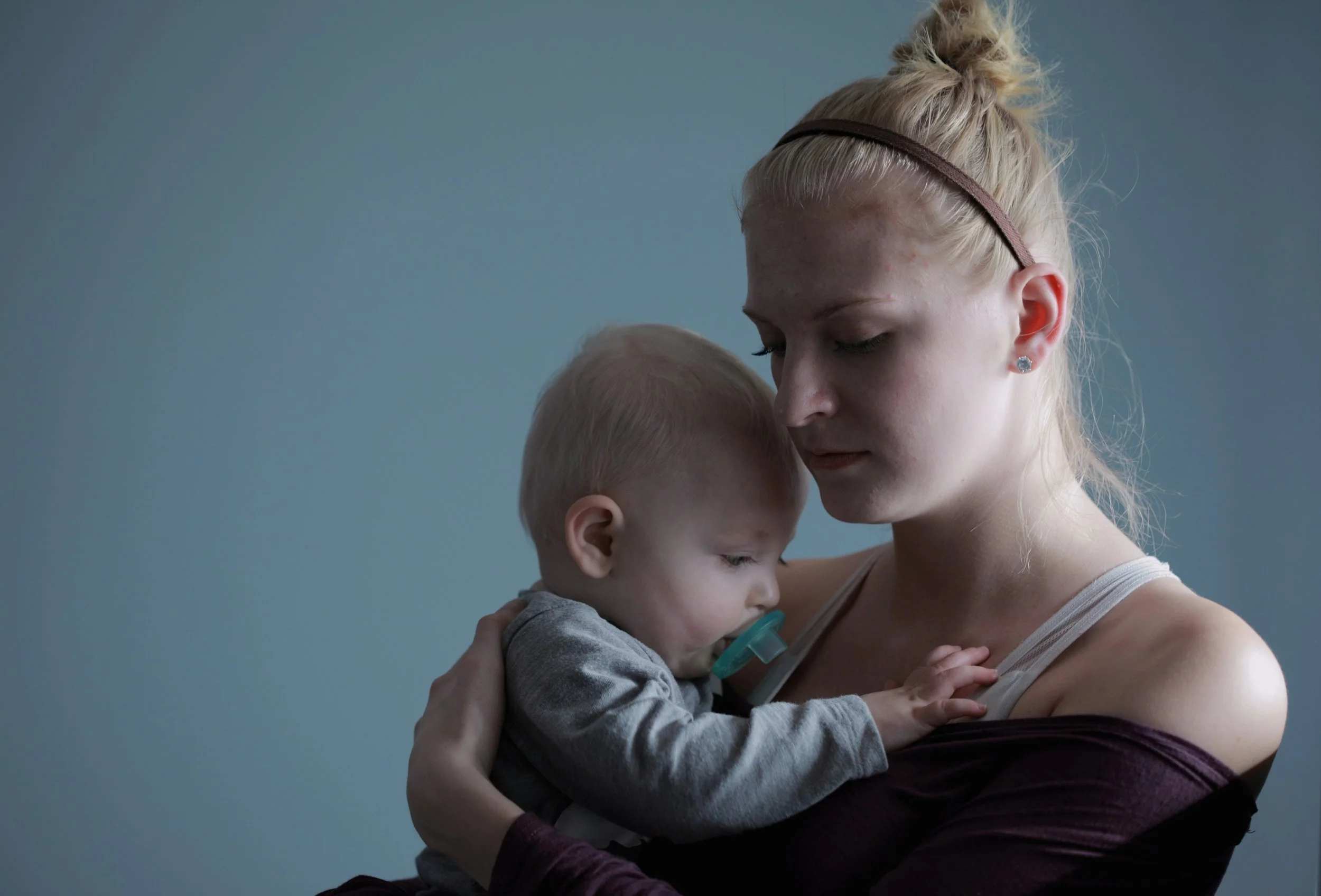
If you’ve recently had a baby and find yourself feeling emotional, overwhelmed, or not quite like yourself, you might be quietly wondering: Is this normal… or is something more going on?
This question comes up for so many new parents—often in moments of exhaustion, doubt, or late-night scrolling. While many people hear about the “baby blues,” fewer are given clear, compassionate information about how they differ from postpartum depression (PPD).
This guide is meant to gently walk you through the difference, help you recognize possible warning signs, and support you in knowing when reaching out for therapy might be helpful.
What Are the Baby Blues?
The baby blues are very common, affecting up to 70–80% of new parents. They are considered a normal adjustment response after birth.
Baby blues typically:
Begin within the first few days after delivery
Peak around days 3–5
Improve on their own within two weeks
Common baby blues symptoms include:
Tearfulness or crying spells
Mood swings
Irritability
Feeling overwhelmed
Anxiety about doing things “right”
Difficulty sleeping (even when baby sleeps)
While uncomfortable, the baby blues are usually temporary and tend to ease as hormones stabilize and routines slowly begin to form. Even so, they can feel very real and very hard while you’re in them.
What Is Postpartum Depression (PPD)?
Postpartum depression is a perinatal mood and anxiety disorder (PMAD) that is more intense, lasts longer, and does not simply resolve with time or rest.
PPD can begin:
Within the first few weeks postpartum
Several months after birth
Sometimes even during pregnancy
Unlike the baby blues, postpartum depression doesn’t usually go away on its own—and support and treatment can make a meaningful difference.
Baby Blues vs. Postpartum Depression: Key Differences
Baby Blues:
Begins shortly after birth
Can start anytime in the first year
Improves within 2 weeks
Persists longer than 2 weeks
Mild to moderate symptoms
Postpartum Depression:
Moderate to severe symptoms
Emotions fluctuate
Mood often feels consistently low
Still able to function
Daily functioning feels hard
Warning Signs of Postpartum Depression
It may be time to look beyond the baby blues if some of these experiences feel familiar or persistent:
Persistent sadness, emptiness, or numbness
Loss of interest or pleasure in things you used to enjoy
Feeling disconnected from your baby or yourself
Excessive guilt, shame, or feelings of failure
Frequent crying that doesn’t ease
Intense irritability, anger, or rage
Anxiety or panic that feels unmanageable
Intrusive or scary thoughts that cause distress
Difficulty eating or sleeping (beyond newborn-related sleep loss)
Thoughts of wanting to escape, disappear, or not be here
If symptoms last longer than two weeks, worsen, or interfere with daily life, it’s important to seek help.
Feeling disconnected from your baby or yourself — or wondering why you don’t quite feel like you anymore. Check out this blog post:“Losing Yourself After Baby: Identity Shifts in Motherhood”.
Quick Self-Check: Is This More Than the Baby Blues?
This isn’t a diagnosis—it’s simply a gentle check-in to help you reflect on how you’ve been feeling and whether additional support might be helpful.
Over the past two weeks, have you:
☐ Felt sad, numb, or overwhelmed most days
☐ Had trouble enjoying things you usually like
☐ Felt like you’re just “going through the motions”
☐ Experienced intense anxiety, panic, or racing thoughts
☐ Felt easily irritated, angry, or emotionally reactive
☐ Struggled with guilt or feeling like you’re not a good parent
☐ Had intrusive or distressing thoughts that scare you
☐ Wondered if you should be coping better than you are
If you checked 3 or more, perinatal mental health support may be beneficial.
Considering Support?
If you’re wondering whether what you’re experiencing might be more than the baby blues, you don’t have to sort through that uncertainty on your own.
I provide perinatal mental health therapy for pregnant and postpartum parents virtually throughout Florida. Support is compassionate, evidence-based, and tailored to this season of life.
Schedule a free 15-minute consultation to gently talk through what you’re experiencing and see whether perinatal therapy feels like a supportive next
Common Questions About Baby Blues and Postpartum Depression
-
Yes—this is very common.
After having a baby, your body goes through significant hormonal shifts, and your daily life changes all at once. Many parents notice mood swings, tearfulness, or feeling overwhelmed in those early days.
For many, these feelings are part of the “baby blues,” which typically show up within the first few days after birth and improve within a couple of weeks.
-
The biggest differences are how intense the feelings are, how long they last, and how much they affect your daily life.
Baby blues tend to:
come and go
feel more mild
improve within 1–2 weeks
Postpartum depression tends to:
feel more persistent and heavy
last longer
make it harder to function, care for yourself, or connect with your baby
If your symptoms aren’t improving—or are getting worse—it may be more than baby blues.
-
Postpartum depression can feel different for everyone, but many parents describe feeling:
persistently sad, empty, or hopeless
overwhelmed or easily irritated
disconnected from their baby or unsure of themselves as a parent
exhausted but unable to rest
guilty or like they’re “not doing enough”
Some parents also experience anxiety, racing thoughts, or difficulty concentrating.
These feelings tend to stick around most of the day and don’t go away on their own.
-
Unlike the baby blues, postpartum depression often does not go away without support.
The good news is that it is very treatable. With the right support—such as therapy, support groups, or medical care—many parents start to feel more like themselves again.
-
Yes. Therapy can provide a supportive space to:
process what you’re feeling
learn coping strategies
reduce overwhelm and anxiety
strengthen your confidence as a parent
You don’t have to navigate this alone, and getting support can help you feel more grounded and connected again.
When Is It Time to Seek Therapy?
You do not need to be in crisis to benefit from therapy. Many parents seek support simply because things feel harder than they expected—or harder than they want them to be.
Consider reaching out if:
You feel unlike yourself and aren’t improving — or you’re grieving parts of who you were before becoming a parent.
You’re pushing through but feel exhausted and depleted
You’re functioning on the outside but struggling inside
You keep wondering, “Shouldn’t I be doing better by now?”
Perinatal therapy offers a safe, nonjudgmental space to:
Understand what you’re experiencing
Reduce shame and self-blame
Learn coping tools for mood and anxiety
Feel more grounded and supported during this transition
Gentle Tips That May Help (But Aren’t a Substitute for Support)
While therapy can be incredibly helpful, these small, gentle steps may offer some relief along the way:
Lower expectations: This is a major life transition, not a test you’re failing
Name what you’re feeling instead of judging it
Prioritize rest where possible, even short rest periods
Accept help, even if it looks different than you imagined
Limit comparison, especially on social media
Check in with your body: gentle breathing, grounding, or brief moments of calm
If these strategies aren’t enough, that’s not a personal failure—it’s a sign that more support may be needed.
You’re Not Weak for Needing Support
Postpartum depression is not caused by something you did wrong. It is not a failure, a weakness, or a sign that you’re not meant for this.
It is influenced by hormonal shifts, nervous system stress, sleep deprivation, identity changes (which can sometimes feel like losing parts of yourself after baby), and emotional load.
Help is available—and recovery is possible.
If you’re pregnant or postpartum and wondering whether what you’re experiencing is more than the baby blues, perinatal mental health therapy can help you feel more like yourself again.
You deserve support during this season.
Perinatal Therapy in Florida
I work with pregnant and postpartum parents across Florida, offering therapy for:
Postpartum depression and mood changes
Postpartum anxiety and intrusive thoughts
Adjustment to parenthood and identity shifts
Emotional overwhelm, irritability, and burnout
Sessions are available via telehealth for Florida residents.
Book a free consultation to get support from a licensed perinatal mental health therapist who understands this transition.
Licensed Mental Health Counselor
Certified Parent-Child Interaction Therapist (PCIT)
Online Therapy Throughout Florida