How Play Helps Reduce Child Behavior Problems, Anxiety, and Parenting Stress
Child Behavior & Parenting • ~11 min read • Deep dive
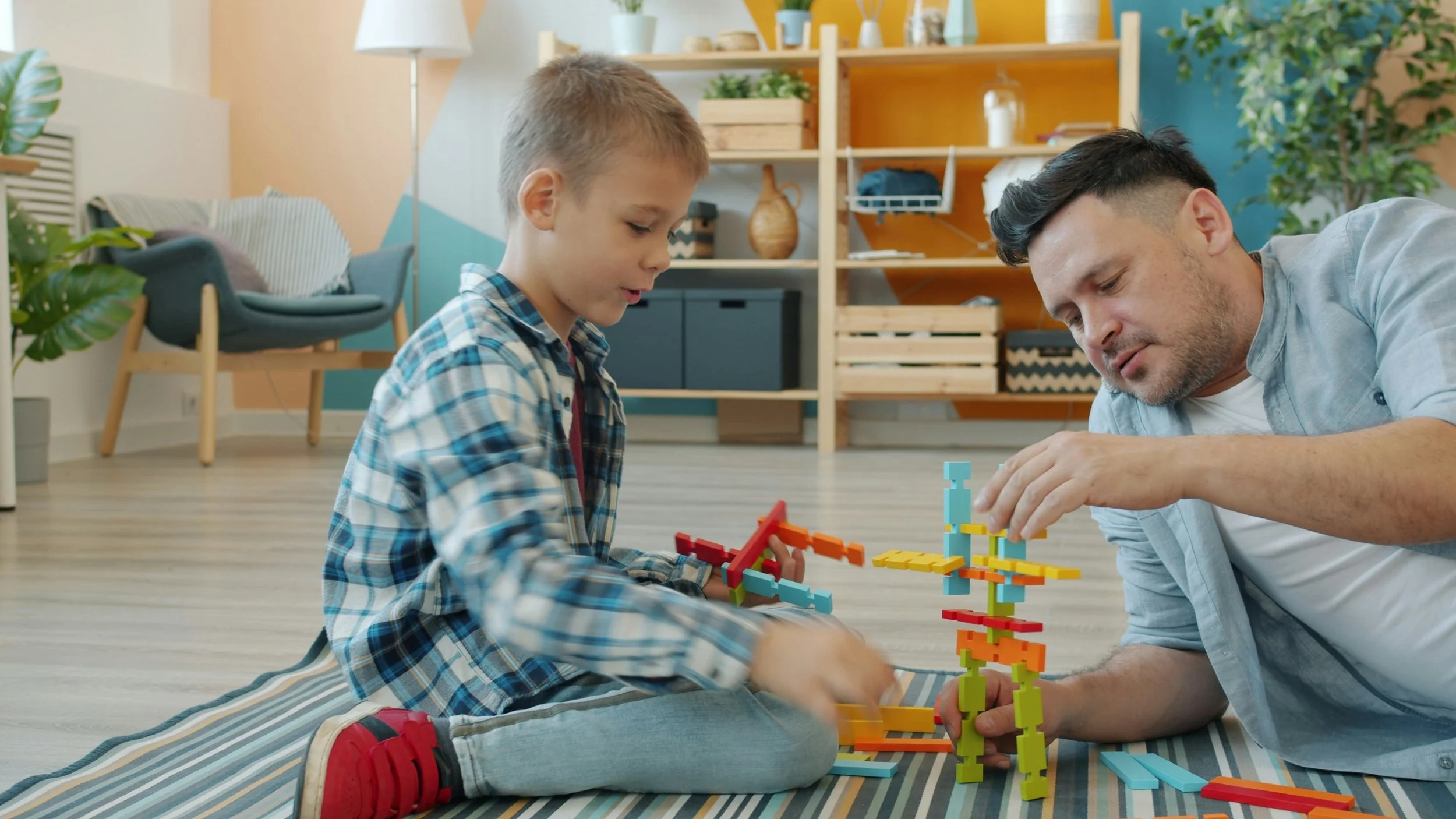
(Plus the Best Toys to Support Emotional & Social Development)
When parents are dealing with behavior challenges, anxiety, big emotions, or constant power struggles, play can feel like one more thing to manage. But here’s the truth:
Intentional, child-led play is one of the most powerful tools we have to support children’s behavior, emotional regulation, and connection—while also reducing parenting stress.
Play isn’t just fun. It’s how children:
Learn to communicate
Practice coping with anxiety
Develop social and emotional skills
Strengthen attention and self-regulation
Feel safe, seen, and connected to their parents
Play can also help reduce:
Tantrums
Not listening
Aggression
Emotional outbursts
If you’re noticing challenges with listening or behavior, you may also find it helpful to read my article on why children don’t listen (and what actually works).
When play is paired with PCIT (Parent-Child Interaction Therapy) Child-Directed Interaction (CDI) skills, it becomes a science-backed intervention for improving child behavior and parent-child relationships.
Why Play Is Essential for Children With Behavior Challenges or Anxiety
Children often act out or withdraw when they don’t yet have the words or skills to manage their internal world. Play gives them a developmentally appropriate way to:
Express feelings safely
Gain a sense of control and mastery
Practice problem-solving
Experience positive attention (without pressure)
For parents, play offers a break from correction, discipline, and negotiation—and replaces it with connection and confidence.
Just 5-10 minutes of child-led play a day can:
Reduce oppositional behavior
Improve emotional regulation
Increase cooperation
Lower parenting stress and burnout
PCIT Skills That Turn Play Into a Behavior Tool
Throughout this post, you’ll see how to naturally use these CDI skills during play:
Labeled Praise: “I love how gently you’re stacking those blocks.”
Reflection: Child says, “This is the baby.” Parent says, “That’s the baby.”
Imitation: Copying your child’s play to show approval and attention
Behavior Description: Narrating what your child is doing without directing
These skills increase positive attention, reduce power struggles, and help children feel emotionally safe—which directly impacts behavior and anxiety.
Play Builds Language & Communication Skills (Especially for Anxious or Frustrated Kids)
Many behavior problems stem from communication breakdowns. Play naturally increases language by giving children meaningful reasons to talk.
Best toys for language & connection:
PCIT Tip:
While your child plays, describe instead of questioning:
“You’re putting the red scoop on top.”
Then add labeled praise:
“I love how focused you are.”
This reduces pressure and boosts expressive language—especially helpful for anxious children.
If your child tends to feel anxious, some common (and very understandable) parenting responses can unintentionally increase anxiety. I talk more about this in my article on 5 ways parents accidentally make anxiety worse.
Pretend Play Teaches Emotional Regulation & Pro-Social Skills
Pretend play allows children to rehearse real-life situations in a safe way—making it especially powerful for kids with anxiety, social challenges, or aggression.
Emotion-rich pretend play favorites:
Emotion Coaching + PCIT:
Reflect feelings you see in play:
“The puppy looks nervous.”
Then praise caring behavior:
“I love how gently you’re helping him.”
This builds empathy, emotional literacy, and prosocial behavior.
Sensory & Creative Play Supports Anxiety & Attention
Children with anxiety or attention challenges often regulate best through hands-on, sensory-rich play. These activities help calm the nervous system while strengthening focus.
Great options for calming engagement:
PCIT Strategy:
Imitate your child’s actions and offer specific praise for effort:
“You kept trying even when it was tricky.”
This builds frustration tolerance and confidence.
Play Teaches Problem-Solving, Flexibility & Life Skills
Children learn best when they feel in control. Open-ended play allows kids to make mistakes, adjust plans, and persist—key skills for reducing meltdowns and rigidity.
Problem-solving & learning favorites:
Behavior Tip:
Avoid correcting. Instead, describe what’s happening and praise flexibility:
“You tried a new way—that was creative.”
Play Is One of the Best Ways to Reduce Parenting Stress
When parents are constantly managing behavior, play can feel optional—but it’s actually protective.
Child-led play:
Reduces daily conflict
Builds cooperation outside of play
Improves parental confidence
Strengthens attachment
Instead of fixing behavior in the moment, play strengthens the relationship that makes behavior change possible.
How to Start Using Play as Support (Even on Hard Days)
Set aside 5-10 minutes
Let your child lead completely
Use PRIDE skills (Praise, Reflect, Imitate, Describe, Enjoy)
Avoid questions, commands, and corrections
End play before your child is dysregulated
Consistency matters more than perfection.
Common Questions About Play and Child Behavior
-
This is more common than parents think—especially if most interactions have been focused on correction or routines.
Try not announcing it and join your child when you notice them playing. Over time, most children begin to seek out this connection.
-
Yes. Play gives children a safe and natural way to express feelings they may not yet have words for.
Research shows that play-based approaches can help reduce anxiety and improve emotional expression because play is a child’s primary way of communicating and processing experiences.
-
Open-ended toys that allow creativity and imagination tend to work best, such as:
blocks
pretend play toys
art materials
sensory toys
These types of toys encourage communication, flexibility, and problem-solving.
-
When parents shift from correcting behavior to connecting through play, it often reduces daily conflict.
Play helps build cooperation outside of playtime, making routines feel easier and increasing parent confidence.
Affiliate Disclosure
This post contains affiliate links. This means I may earn a small commission if you choose to purchase through these links—at no additional cost to you. I only recommend toys and resources that support healthy child development and align with evidence-based parenting practices.
Get Support for Your Child’s Behavior and Anxiety
Play isn’t a reward for good behavior—it’s a pathway to better behavior.
When children feel seen, safe, and connected, their nervous systems settle—and skills can grow.
And remember: you don’t need to be perfect. Your presence is enough.
Want Help Turning Play Into Real Behavior Change?
Reading about play is a great start—but having personalized guidance makes all the difference.
PCIT support sessions provide parents with hands-on coaching to:
Improve child behavior and emotional regulation
Address anxiety, defiance, and attention challenges
Reduce daily parenting stress
Build a calmer, more connected relationship with your child
Not sure where to start?
Download my free guide on how to help your child listen and reduce challenging behavior.
📅 Schedule a free 15-minute phone consultation to learn how PCIT support works and whether it’s a good fit for your family. Or visit my contact page.
Alexis Landa, LMHC
Licensed Mental Health Counselor
Certified Parent-Child Interaction Therapist (PCIT)
Online Therapy Throughout Florida
https://www.empoweringfamiliescounseling.com/about