Separation Anxiety in Kids: How to Help with School Drop-Offs and Bedtime
Child Anxiety • ~8 min read • Practical guide
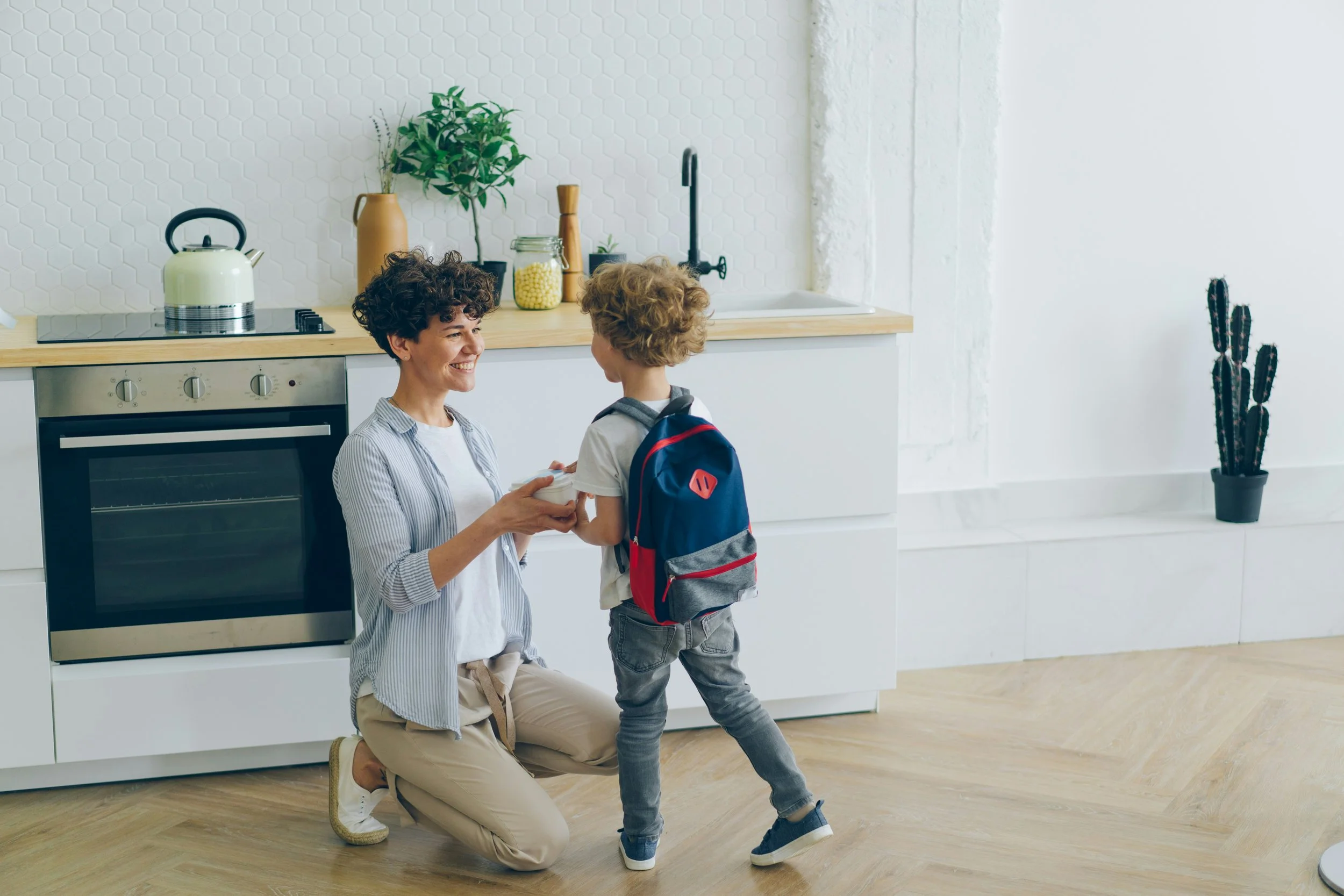
Separation anxiety is one of the most common challenges parents face—especially during morning school drop-offs and bedtime routines. If your child cries, clings, or becomes distressed when you leave, you’re not alone.
The good news is that separation anxiety is highly treatable, and with the right approach, children can learn to feel safe, confident, and capable—even when you’re not right there.
What Is Separation Anxiety in Kids?
Separation anxiety happens when a child feels intense worry or distress when away from a parent or caregiver.
This may look like:
Crying or clinging at school drop-off
Refusing to sleep alone
Frequent worries about something bad happening
Complaints like stomachaches before separation
Some separation anxiety is developmentally normal, especially in younger children. It may become a concern when:
it continues beyond expected ages
it interferes with school or sleep
it feels intense or worsening over time
Why Does Separation Anxiety Happen?
Anxiety is your child’s brain trying to protect them from danger—even when there is no real threat.
Your child’s brain is essentially saying:
“If I stay close to my parent, I’m safe.”
When separation happens, their body reacts as if something is wrong, even when they are actually safe.
How Anxiety Can Be Accidentally Reinforced
This is an important piece—and it’s not about blame.
When a child feels anxious:
They become distressed (crying, clinging, avoiding)
A parent naturally tries to comfort or rescue
The child feels immediate relief
The brain learns: “Avoiding separation keeps me safe”
Over time, this can unintentionally strengthen anxiety.
A Compassionate Truth for Parents
It makes complete sense to want to protect your child from distress.
You are responding with love.
At the same time, anxiety improves when children learn: “I can handle this, even when it’s hard.”
What Helps: Gradual Exposure to Separation
The most effective way to reduce separation anxiety is through gradual, supported practice with separation.
This helps your child’s brain learn:
“I’m safe, and I can do this.”
What Is a Fear Ladder? (Simple Explanation)
A fear ladder (also called a hierarchy) breaks a big fear into small, manageable steps.
Instead of expecting immediate independence, you move gradually.
Important rule:
Only move to the next step when your child is handling the current step successfully.This builds:
confidence
resilience
reduced anxiety over time
How to Help Separation Anxiety at School Drop-Off (Step-by-Step)
Try a gradual plan like this:
Walk your child into school and stay briefly
Create a short, predictable goodbye routine
Leave and return quickly if needed (early stages)
Gradually shorten your time at drop-off
Transition to independent drop-off
Helpful tips:
Keep goodbyes short and consistent
Avoid sneaking away
Stay calm and confident—your child reads your cues
How to Help Bedtime Separation Anxiety in Kids
Example progression:
Lie next to your child
Sit on the bed
Move to a nearby chair
Move farther away
Leave and check in briefly
Support your child by:
Keeping a consistent bedtime routine
Using a comfort object
Validating feelings while holding boundaries
Example:
“I know this feels hard. You’re safe, and I know you can do this.”
What Progress Looks Like
Progress doesn’t mean zero tears right away.
Progress looks like:
shorter protests
faster calming
increased confidence over time
When to Seek Help for Separation Anxiety
Consider seeking professional support if:
your child refuses school regularly
bedtime struggles are ongoing and intense
anxiety interferes with daily functioning
things feel stuck despite your efforts
Therapy can help by:
guiding gradual exposure steps
coaching parent responses
building coping skills and confidence
You’re Not Alone
Separation anxiety can feel overwhelming—for both children and parents.
With the right support, children can learn:
“I am safe”
“I can do hard things”
“I can be brave, even when it’s hard”
Related Posts You May Find Helpful
Frequently Asked Questions About Child Separation Anxiety
-
Yes, especially in younger children. It becomes a concern when it is intense, persistent, or interfering with daily life.
-
Short-term comfort can help, but long-term improvement comes from consistent and gradual separation practice.
-
Crying is a normal part of learning something new and hard. What matters is helping them move through it without avoiding the situation.
-
With consistent strategies, many children improve within a few weeks. Without support, it may continue longer.
-
Yes—and this is very common. Small changes in how you respond can make a big difference.
Ready to get started?
If you’re in Florida and looking for support with child anxiety or separation challenges, professional guidance can help.