Best Emotional Regulation Tools for Kids (Therapist-Recommended Books, Toys, and Activities)
Child Behavior & Parenting • ~12 min read • Deep dive
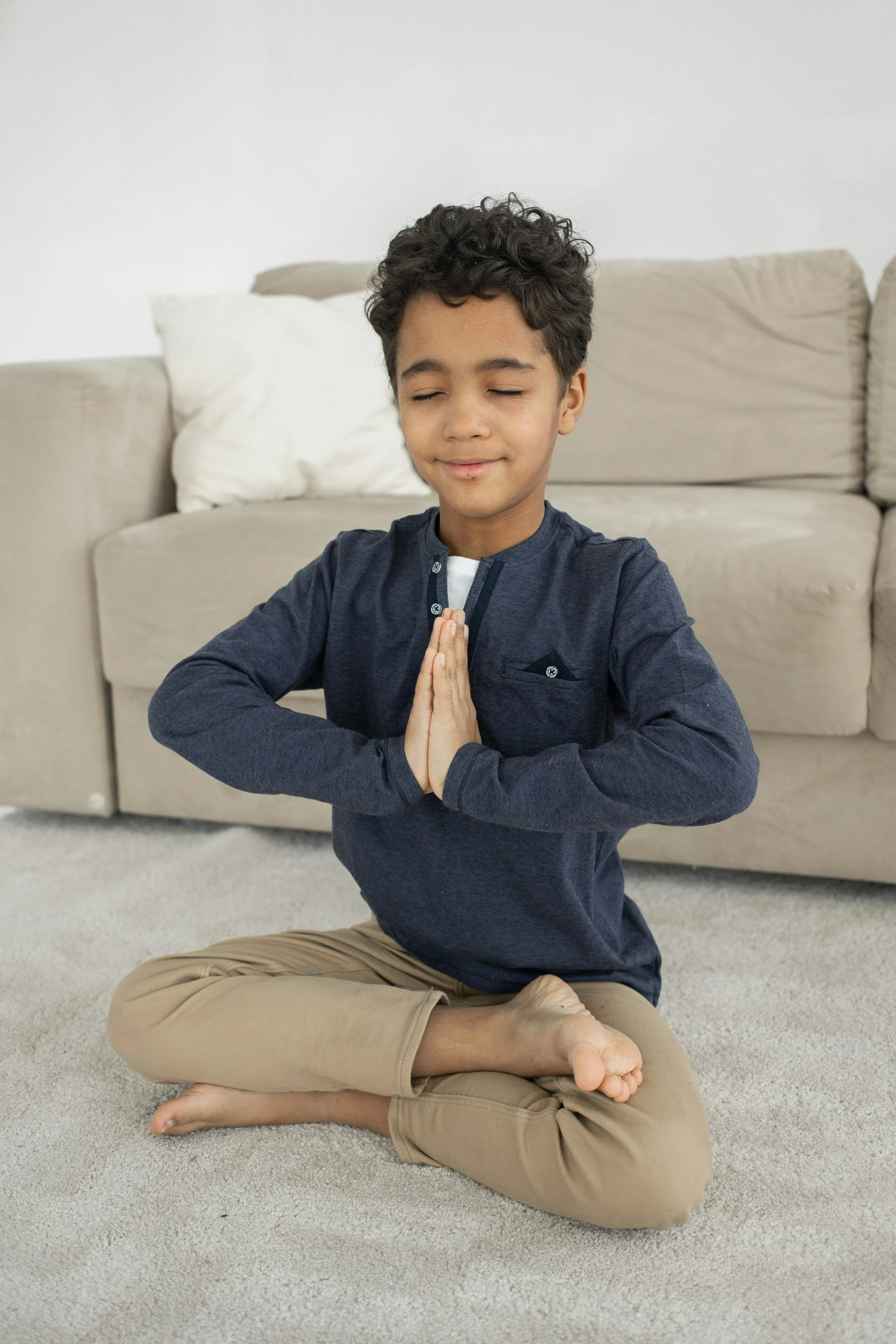
Why Emotional Regulation Skills Matter
Every child experiences big emotions.
Frustration when things don't go their way. Disappointment when plans change. Worry about new situations. Anger during conflicts. Sadness when something feels unfair.
The goal isn't to prevent children from having emotions. Emotions are a normal and healthy part of life.
Instead, emotional regulation is about helping children learn how to recognize their feelings, express them appropriately, and use healthy coping skills when emotions become overwhelming.
These skills are not something children are born knowing how to do.
Just like children learn to read, ride a bike, or tie their shoes, emotional regulation is a skill that develops through teaching, modeling, practice, and support.
How Parents Can Teach Emotional Regulation Skills
One of the biggest misconceptions is that children should simply "know better."
In reality, emotional regulation is learned through relationships.
Children develop these skills when parents:
Model healthy coping skills
Name and validate emotions
Teach coping strategies
Practice skills during calm moments
Reinforce effort and progress
Stay consistent over time
When children are in the middle of a meltdown, tantrum, or anxiety spiral, they are often not in the best position to learn a brand-new skill.
That is why emotional regulation skills should be practiced regularly during calm and neutral moments.
Think of emotional regulation like learning to swim. We don't wait until someone falls into deep water before teaching them what to do.
How Positive Reinforcement Helps Kids Build Emotional Regulation Skills
When teaching emotional regulation, many parents focus on what their child is doing wrong.
Instead, try noticing and praising the moments when your child successfully uses a coping skill.
Examples:
"I noticed you took a deep breath when you got frustrated. Nice job using your coping skills."
"Nice job staying calm even when that was hard."
"I love how you asked for help."
"Great job using your words instead of yelling."
Positive reinforcement increases the likelihood that children will continue using those skills in the future.
Best Emotional Regulation Books for Kids
Books can help children recognize emotions, develop emotional vocabulary, and learn coping strategies in a way that feels safe and engaging.
📚 Best Emotional Regulation Books for Younger Kids (Ages 3–7)
Questions to Ask While Reading
How do you think this character is feeling?
What clues helped you figure that out?
Have you ever felt that way?
What helped the character feel better?
What could they try next time?
📚 Best Emotional Regulation Books for Older Kids (Ages 7+)
Outsmarting Worry (An Older Kid's Guide to Managing Anxiety)
Me and My Feelings: A Kids' Guide to Understanding and Expressing Themselves
Questions to Encourage Reflection
What emotions do you think the character experienced?
What coping skills worked?
What would you have done differently?
Which strategy might help you?
Looking for more books?
Over the years, I've created a collection of my favorite therapist-recommended resources for emotional regulation, behavior challenges, social skills, sensory needs, and parent-child connection.
Best Emotional Regulation Toys and Tools for Kids
Children often learn best through play.
These tools can help make emotional regulation more concrete and engaging.
🧸 Feelings and Emotion Identification
Why they help: Children cannot manage emotions they cannot identify.
🧸 Sensory and Calming Tools
Pop-it fidgets
Stress balls
Therapy putty
Sensory bins
Weighted stuffed animals
Liquid motion timers
Why they help:These tools can help children slow down and regulate their bodies during moments of stress.
🧸 Tools for Teaching Coping Skills
Why they help: They provide visual reminders of healthy coping strategies.
Best Activities to Teach Emotional Regulation Skills
Children often learn emotional regulation best through repeated experiences.
Feelings Charades
Take turns acting out emotions while others guess.
Questions:
What clues helped you figure out the feeling?
When do people feel this way?
What helps when someone feels that emotion?
Emotion Detective
While watching a movie or reading a book:
Ask:
What emotion is this character feeling?
How can you tell?
What might help them?
This helps children recognize emotions in themselves and others.
Coping Skills Practice Time
Choose one coping skill each week.
Examples:
belly breathing
progressive muscle relaxation
stretching
asking for help
positive self-talk
Practice daily during calm moments.
Questions:
How did your body feel before?
How did it feel after?
When could you use this skill?
Create a Calm-Down Toolbox
Fill a small box with:
sensory tools
calming books
Questions:
Which item helps you feel calm?
Which item would you use if you felt frustrated?
Which item helps when you're worried?
Looking for more resources?
Over the years, I've created a collection of my favorite therapist-recommended resources for emotional regulation, behavior challenges, social skills, sensory needs, and parent-child connection.
When to Seek Extra Support for Emotional Regulation Difficulties
Big emotions are a normal part of childhood.
However, it may be helpful to seek additional support if your child:
has frequent meltdowns
struggles to recover after becoming upset
experiences significant anxiety
has difficulty using coping skills despite practice
emotions are impacting family life, school, or friendships
Teaching emotional regulation takes time, consistency, and patience.
Many children benefit from additional support and coaching as they develop these skills.
I specialize in evidence-based therapy for child anxiety and behavior problems, including:
Parent-Child Interaction Therapy (PCIT)
Therapy for anxiety and selective mutism
Strategies for managing difficult behaviors
Let's talk about whether therapy might help your child.
Schedule a free 15-minute consultation or visit my contact page.
Additional Resources on Child Behavior & Anxiety
The Power of Praise: How to Use Positive Reinforcement to Improve Child Behavior
Teaching Your Child Coping Skills for Anxiety That Actually Work
Behavior Charts That Actually Work for Kids (When Sticker Charts Fail)
Frequently Asked Questions About Emotional Regulation in Kids
-
Emotional regulation is the ability to recognize, understand, and manage emotions in healthy and appropriate ways.
-
Emotional regulation begins developing in early childhood and continues to strengthen throughout adolescence and adulthood.
-
Parents can help by modeling healthy coping skills, teaching emotions, practicing strategies during calm moments, and using positive reinforcement.
-
Books, coping skills cards, sensory tools, breathing activities, visual supports, and structured play activities can all help children develop emotional regulation skills.